The Ergonomics of the Clip: Solving the "Glasses Problem" in Audio
Update on Jan. 6, 2026, 7:04 p.m.
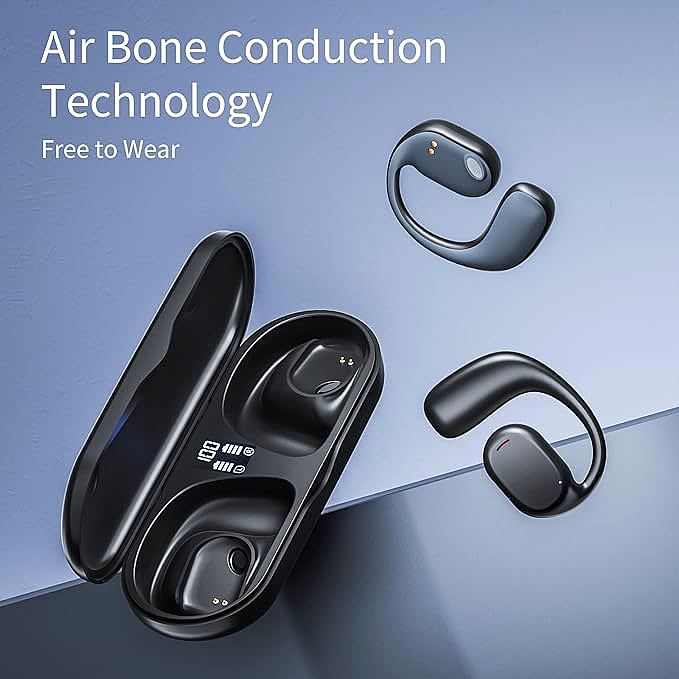
For millions of people who wear glasses, finding comfortable headphones is a persistent struggle. Over-ear cups press the frames into the temples; standard earhooks compete for the limited real estate behind the ear. The YOSINT GT27 offers a novel solution through its “Ear Clip” form factor, a design that fundamentally rethinks how a device attaches to the human body.
This architectural shift creates a unique category of wearables that prioritizes compatibility—compatibility with eyewear, masks, and helmets.
The Biomechanics of the Ear Clip
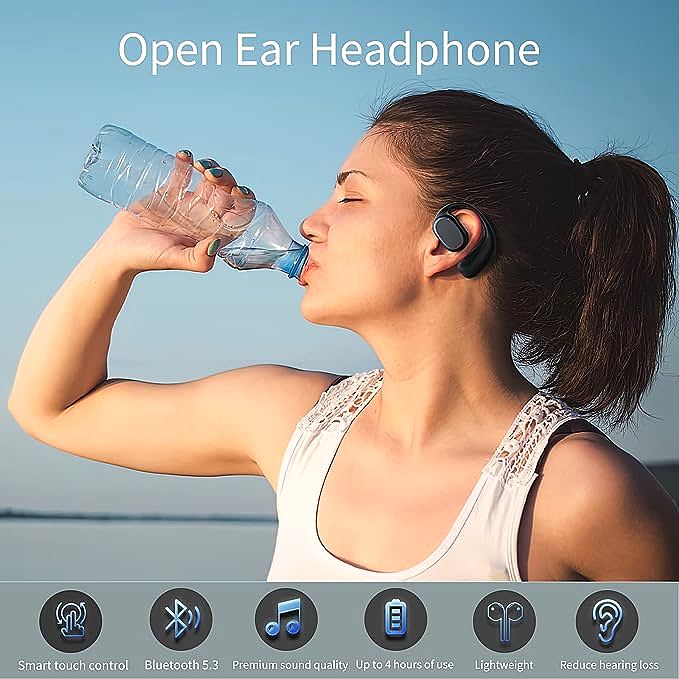
Traditional “sports hooks” wrap around the helix root (where the ear meets the head). This is exactly where glasses’ temples rest. The friction and pressure in this “collision zone” cause pain after typically 30-60 minutes.
The GT27’s clip design bypasses this zone entirely. It clamps gently onto the helix (the outer rim of the ear) itself. * Zero Interference: By positioning the retention mechanism on the side of the ear rather than behind it, the “collision zone” is left completely free for glasses frames or bicycle helmet straps. * Weight Distribution: The clip distributes the device’s minimal weight (lighter than standard hooks) across the cartilage, avoiding sensitive pressure points. Users report forgetting they are wearing them—the hallmark of successful ergonomic integration.
The RF Challenge: Connectivity in Open Designs
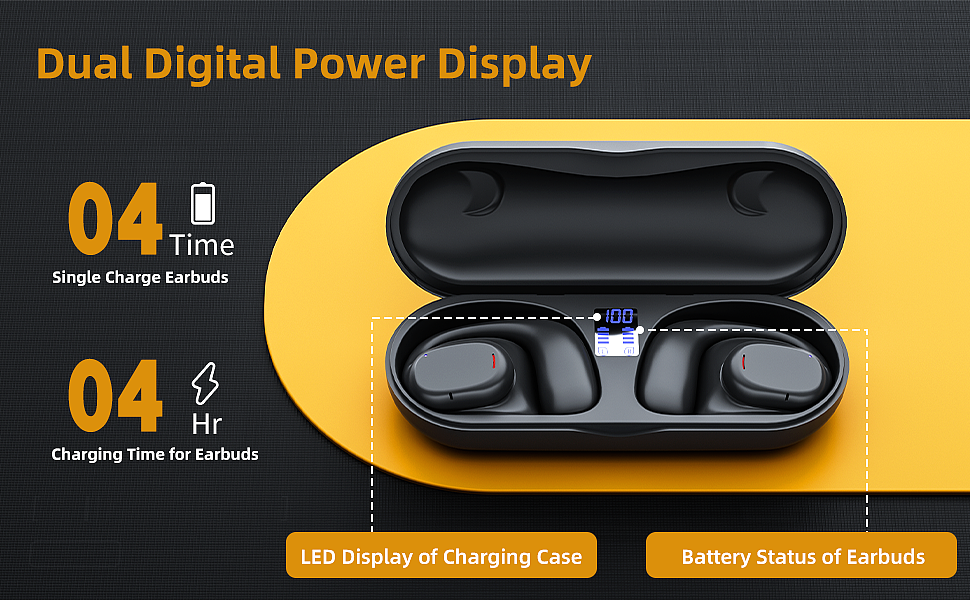
While the clip solves ergonomics, the open form factor introduces challenges for wireless connectivity. User reports of signal wavering highlight the difficulty of Radio Frequency (RF) engineering in this compact shape.
The GT27 utilizes Bluetooth 5.3, which theoretically offers robust connection stability. However, in an ear-clip design, the antenna is often positioned further from the head or at a different angle than in traditional stems. * Body Shadowing: The human head is a significant blocker of 2.4GHz signals. The specific orientation of a clip-on bud can sometimes place the antenna in a “shadow,” causing intermittent dropouts, especially outdoors where there are no walls to reflect signals. * Chipset Efficiency: Bluetooth 5.3’s low-energy protocols are crucial here, attempting to maintain a handshake even when the signal path is suboptimal.
Conclusion: Niche Utility
The YOSINT GT27 proves that form factor innovation is just as important as chip specs. For the specific demographic of glasses wearers and cyclists, the “Ear Clip” design is not a gimmick; it is a problem-solver. It represents a move towards inclusive design in consumer electronics, acknowledging that our ears are not just audio ports, but complex anatomical structures that often support multiple accessories simultaneously.